mDuo13
Thoughts, Words, WorksGrand Archive: Genbu Deck Guide

Grand Archive TCG is a great game with a vibrant competitive scene, but if I have any complaint with it, there's a lack of written strategy content. I decided I could help a little bit with that by sharing my guide to the deck I know best: Genbu. Read on for my ultimate guide to how to play Genbu, through the Radiant Origins (RDO) season!
Background: Genbu and Me
Like many Grand Archive players, I came to the game as someone who liked anime and liked Magic: The Gathering but was frustrated with Hasbro's handling of MtG and dissatisfied with the gameplay of other anime TCGs (like Weiss Schwartz, which I dabbled in years back). I was quickly enamored of the game and have ended up going much deeper than I anticipated—both in terms of the competitive scene and other aspects of the community. My Grand Archive website with stats and tournament results, Fractal of Insight has become a mainstay in the community and has earned me a place in the exclusive Creator's Guild. I've had a blast not only playing at multiple local events per week, but also traveling the world to play in Grand Archive events, which have been a great excuse to visit places I otherwise wouldn't, like St. Louis or Niagara Falls. My favorite champion in the game is Guo Jia, and ever since her release the deck where I've had the most success is Genbu, which I piloted to a 1st place finish in NorCal Regionals this season as well as 18th at North America Nationals, where I was the 2nd-highest placing Genbu player and a near-miss for a spot in the Gauntlet. I also played Genbu in last year's nationals, where I narrowly missed day 2 after losing my win-and-in to the eventual World Champion Taylor Boe. So, while I may not be the very best Genbu player out there (shoutouts to Superior and LongN), I like to think I know the deck better than most.
Deck Overview
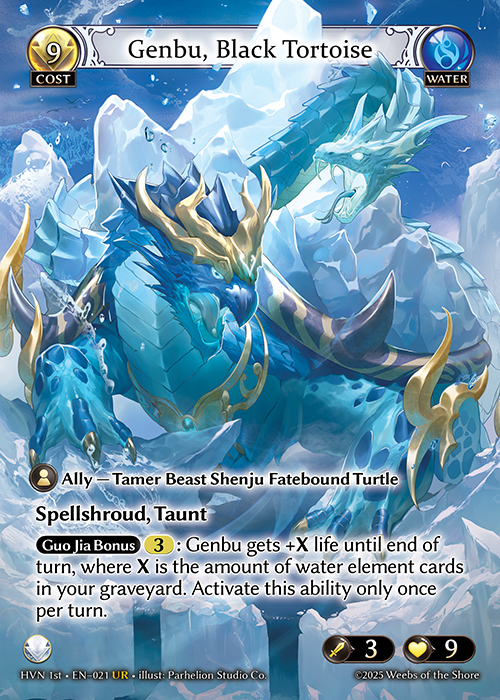
Genbu is a versatile midrange combo deck with a threatening multi-pronged attack. It can burst down an opponent as early as turn 3 or drag things out into the late game with a bevy of control tools and a resilience to having any one of its win cons shut down. For the record, its win cons are:
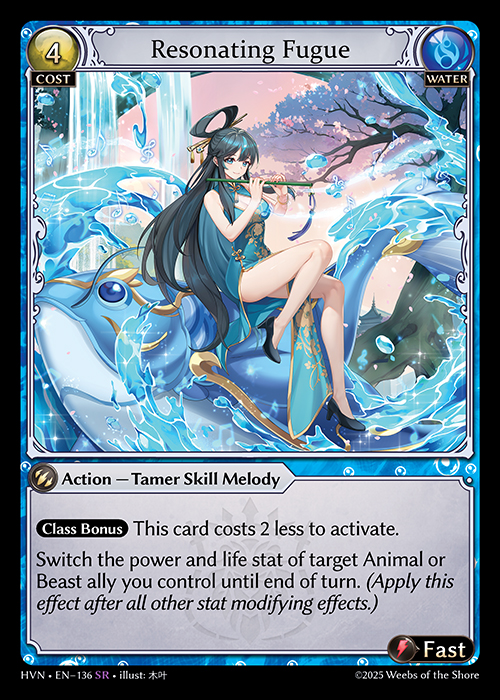
- Fugue Combo - In which you use Resonating Fugue with Genbu itself to do one-hit-KO levels of combat damage.
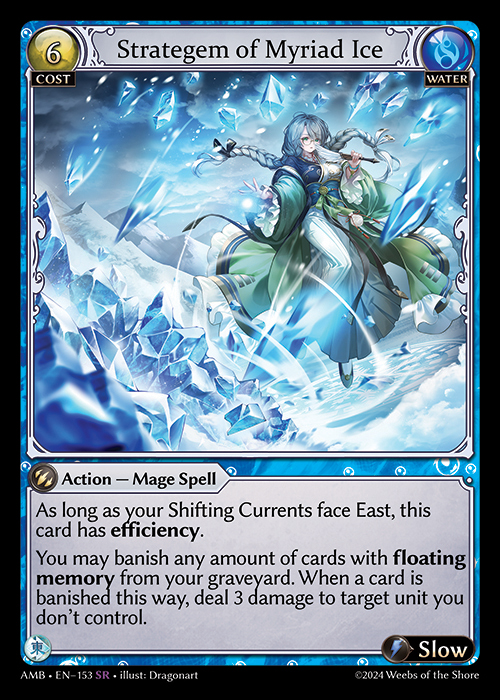
- Strategem - In which you use Strategem of Myriad Ice to convert a bunch of floating memory cards into direct spell damage.
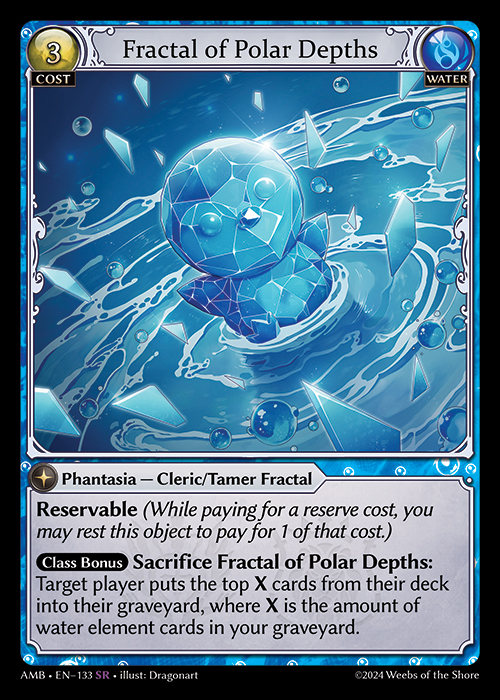
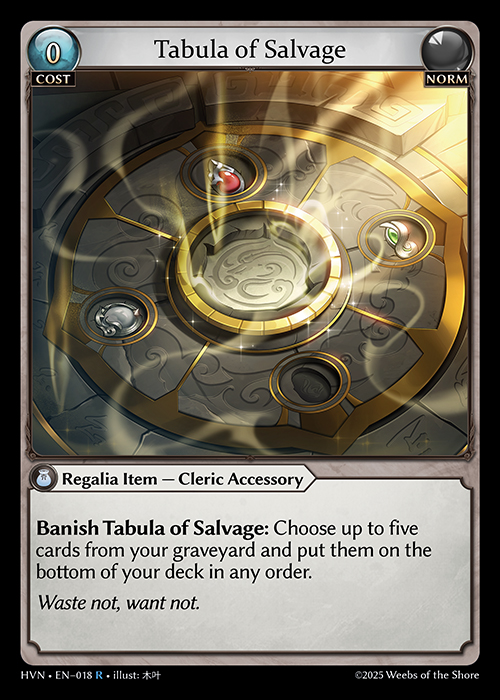
- Penguin Mill - In which you use Fractal of Polar Depths (penguin) to deck out your opponent; frequently, you make this happen by first milling yourself out and stacking your deck with Tabula of Salvage.
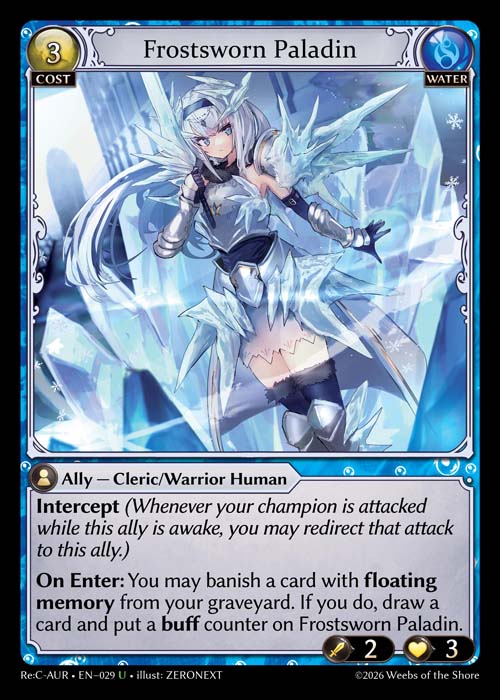
- Ally Beatdown - While not a primary win condition, it's still nevertheless a significant part of the deck's potency that you can sometimes just win by sending 3/4s and 2/2s at your opponent's face relentlessly.
There have been other decks that use the Fabled Sapphire Fatestone // Genbu, Black Tortoise or some of the other pieces, but this guide is focused on the most standard, successful decks of the archetype, so I won't discuss Fire Genbu or (my pet deck) Water Allies Seiryuu here. But if you're curious about how we got here, Noel's "The History of Water Pile" is a great writeup about prior water decks that helped shape what Genbu is today.
Deckbuilding
Material Deck Core
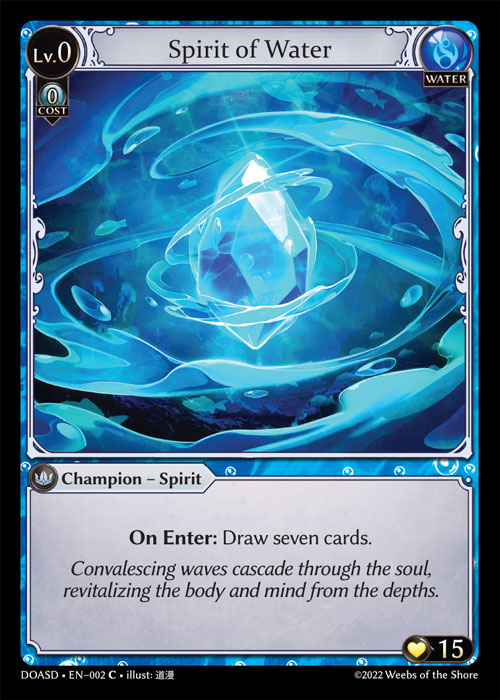
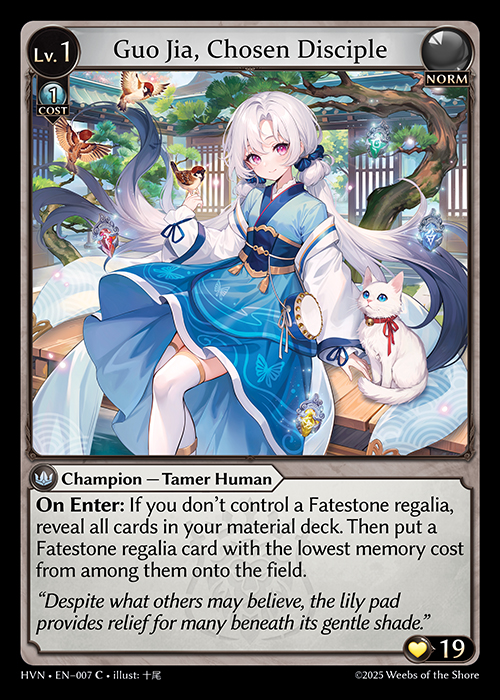
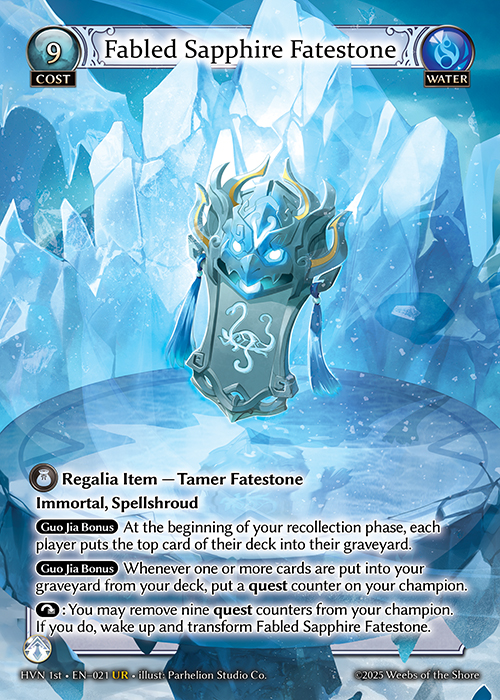
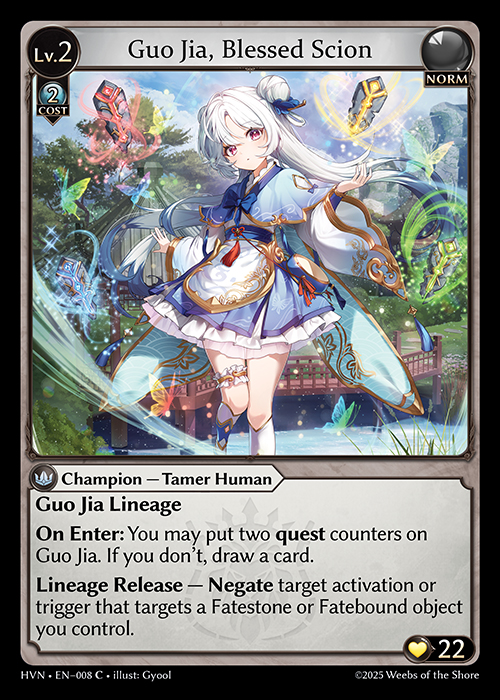
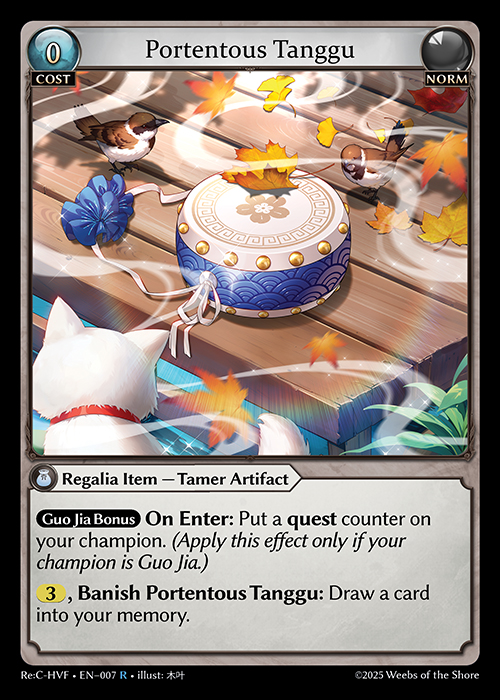
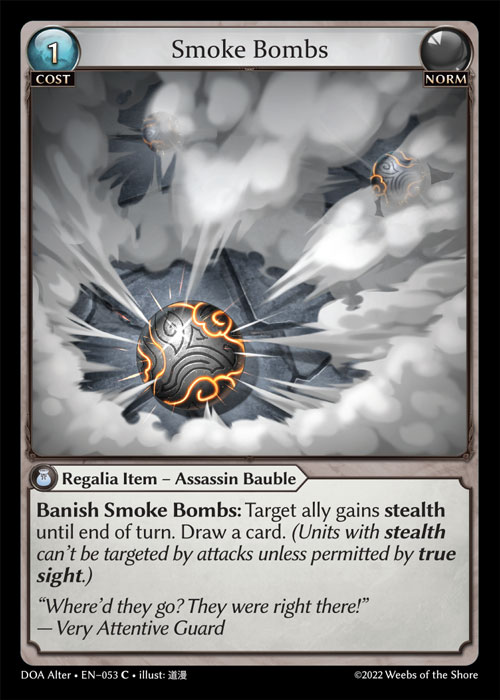
At a bare minimum, you need your water spirit, Guo Jia level 1, and the Fabled Sapphire Fatestone that transforms into Genbu. Other no-brainers include Guo Jia level 2 and Portentous Tanggu, both of which are helpful for getting cards and quest counters. Smoke Bombs is very important not only for hiding taunt/intercepters so your Fugue Combo can hit face, but for protecting your allies if you get drawn into a fight for board, and as a tool to convert floating memory back into card draw.
Semi-Core

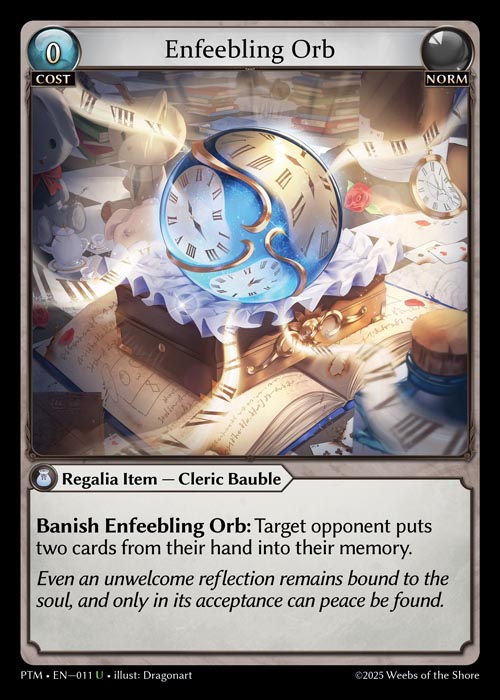
Tabula of Salvage is incredibly powerful because it lets you convert a full self-mill into a win with a good amount of reliability. Guo Jia level 3, while less useful than level 2, is still pretty big as an emergency source of quest counters or health and because it enables Guo Jia level 2's lineage release to protect Genbu. Finally, Enfeebling Orb is a more recent addition to the deck but comes in incredibly clutch for shutting down interaction on the turn you try to go for lethal, so I wouldn't recommend going without it.
Flex Materials
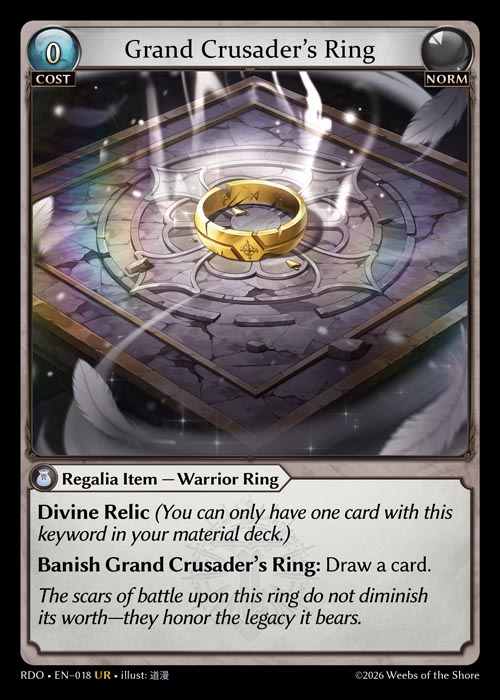
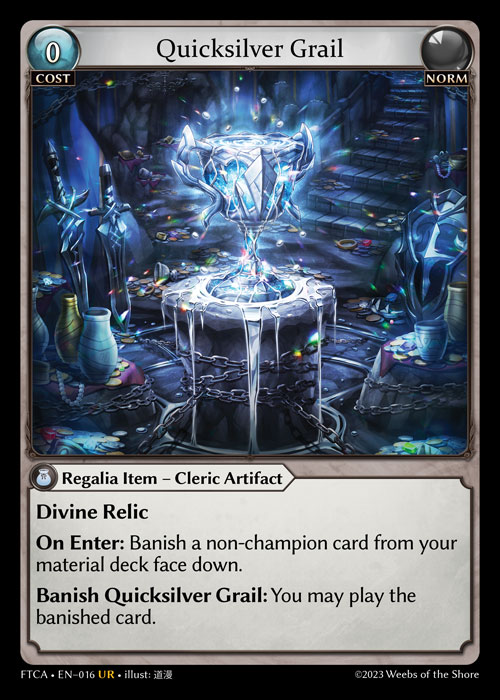
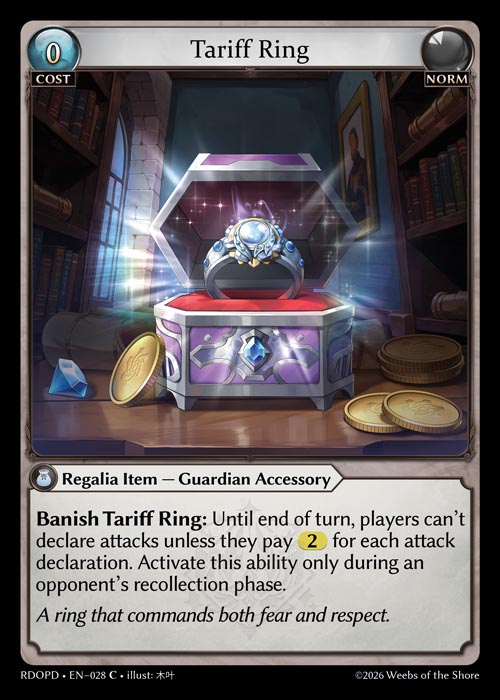
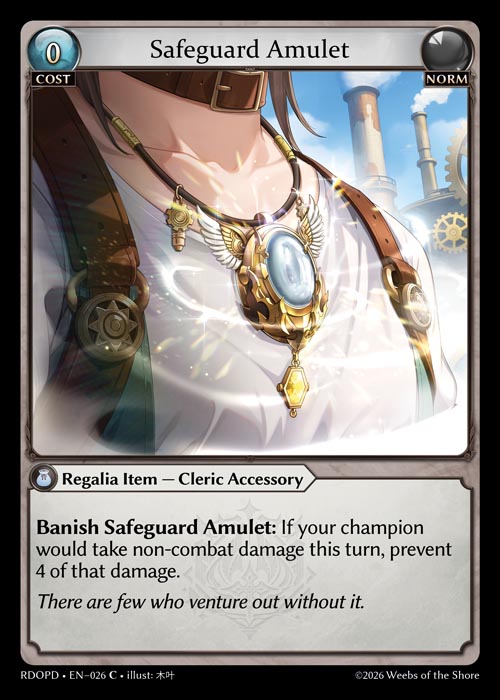
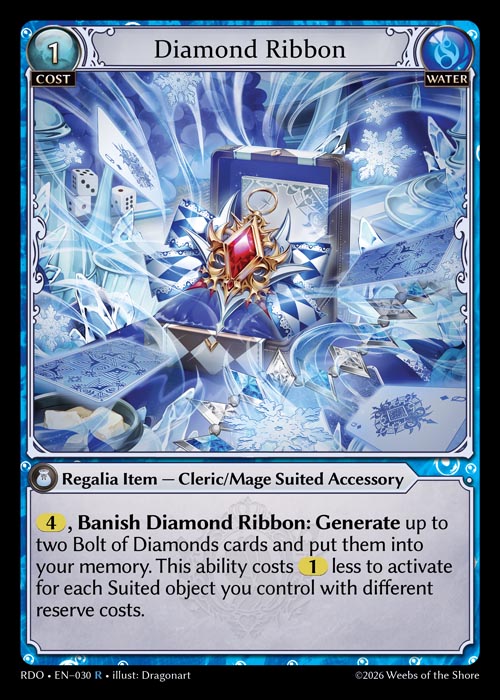
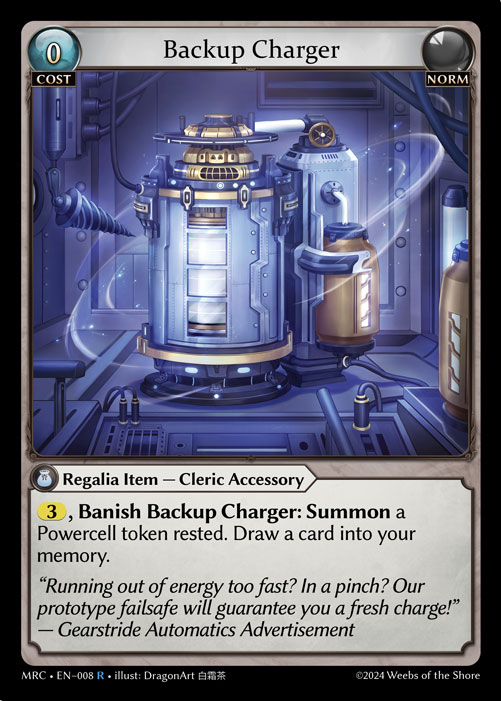
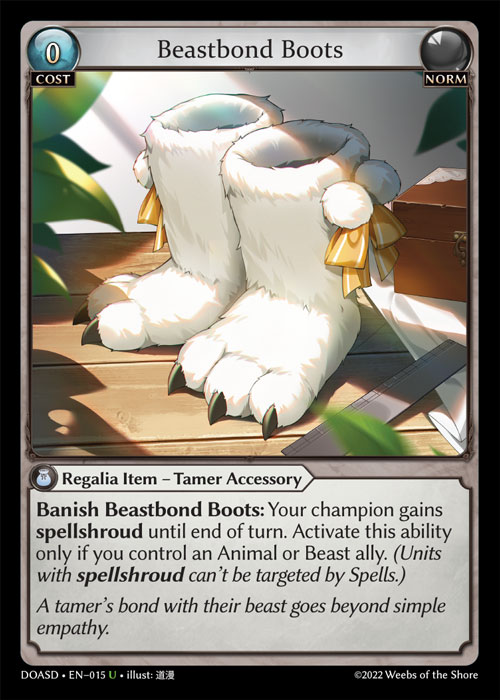
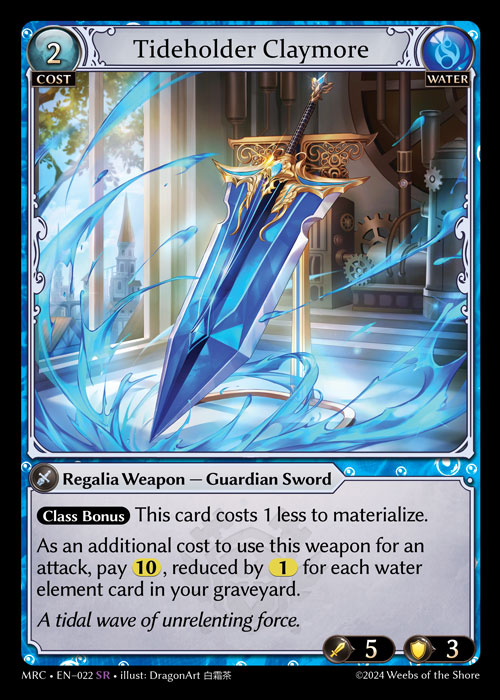
All told, that leaves you with about 3 flex slots, including your Divine Relic, defensive regalia, and value regalia. Which of these you go with will depend heavily on the meta you expect; Quicksilver Grail can be necessary for Fractals and has some other great tricks like hiding/deferring Smoke Bombs, but Grand Crusader's Ring is a very stable all-purpose option. Tariff vs Safeguard or both is of course an age-old question of what Grand Archive meta you're playing in. And either Diamond Ribbon (spending a float) or Backup Charger (followed by Fracturizing your powercell) can be a nice way to materialize basically 2 influence. Here's a selection of common picks:
Maindeck Core
In my opinion, the following cards are non-negotiable 4-ofs for a Genbu deck:
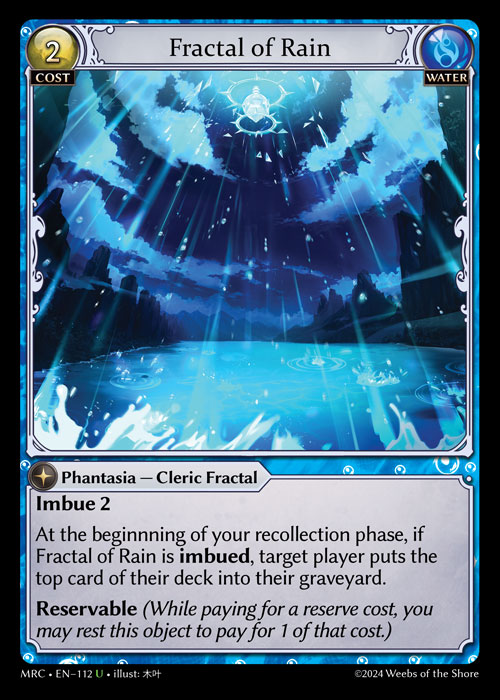
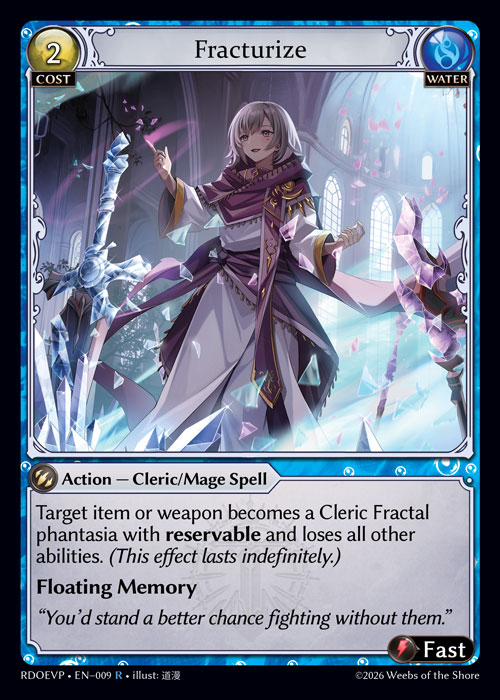
While it may be tempting to cut some of these down to 3 copies, I think it's usually wrong. For example, if you've played the deck at all you'll feel like Resonating Fugue is a card you'll wish could be a 3-of because duplicates aren't helpful… but if you cut it down to 3 copies, you'll discover why that's wrong. You always want to have Fugue ready in time to threaten the kill combo; if you have to spend turns digging for one, the window to win the game can close. Other cards in this list are similarly just too versatile or too much value to cut. I ran less than 4 penguins for a while, and realized I highrolled games when I drew more of them. I tried replacing the Paladins with Terrapins, but I lost to aggro due to a lack of intercept. I tried running less than 4 Fracturize because too many can be bricky, but found myself losing games to regalia that a Fracturize would've answered, if I'd drawn one. You can experiment for yourself, or you can take my word for it: these are 28 cards in your decklist that you're going to want no matter what.
On top of that, you want some number of copies of Strategem of Myriad Ice, and cards that can answer Nullifying Lantern, like Unbroken Mustang and Excalibur:
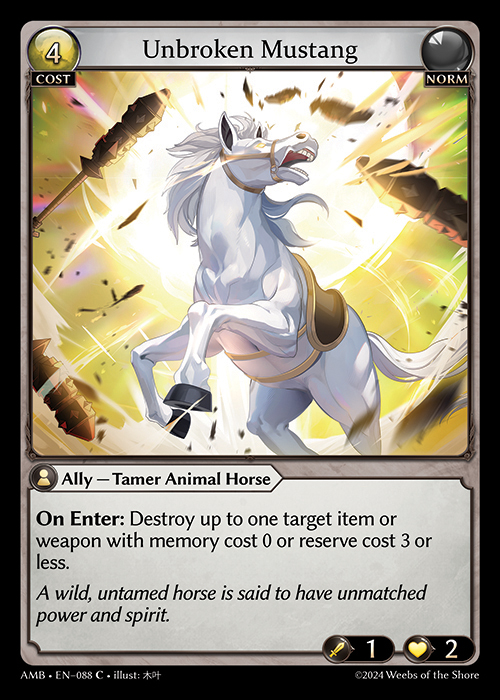
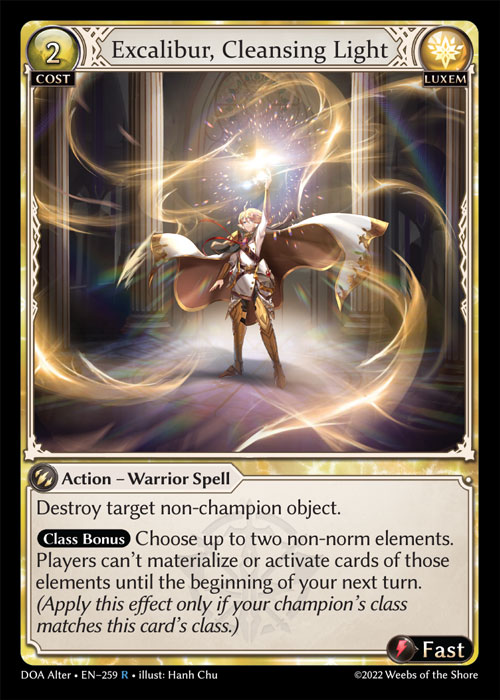
There's room for flexibility in how many copies you run of these; the most common numbers, which I also like, are 2 Strategem, 2 Mustang, and one Excalibur, but you can experiment with more or less of each. Excalibur, Cleansing Light is hard to play since the deck almost never rushes up to level 3, but it can come in clutch when your opponent Fracturizes their Lantern, and it's also quite versatile at removing a variety of other problem cards including Palvor Sword.
An important thing to keep an eye on is your total count of water cards. Between Genbu itself, Fractal of Polar Depths, and imbue effects on powerful cards like Fractal of Rain and Cerulean Decree, you simply must have a high count of water-element cards. As a rule of thumb, the deck loses a lot of consistency if you have more than 7 non-Water cards, and even that is pushing it, so you really have to make those slots count, and probably about 3 of them will be taken up by your anti-Lantern picks.
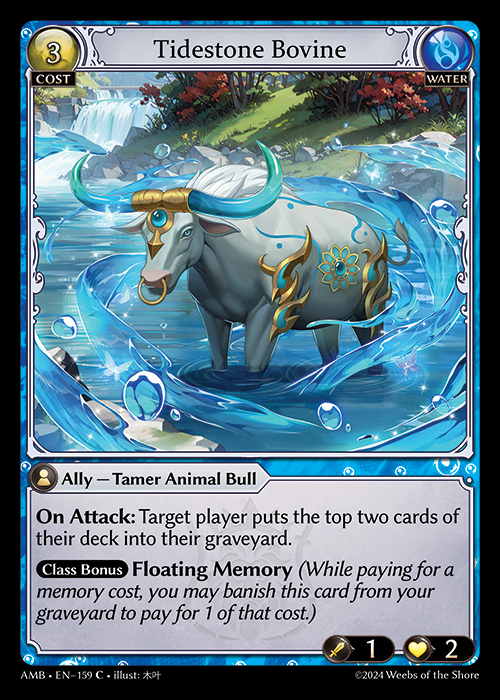
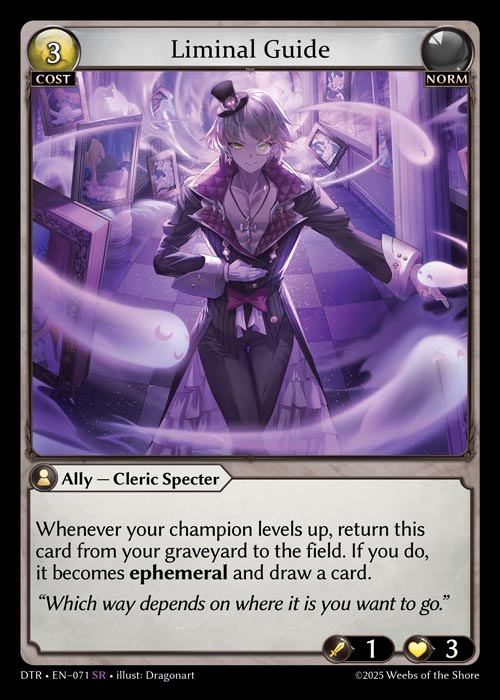
Floating Memory
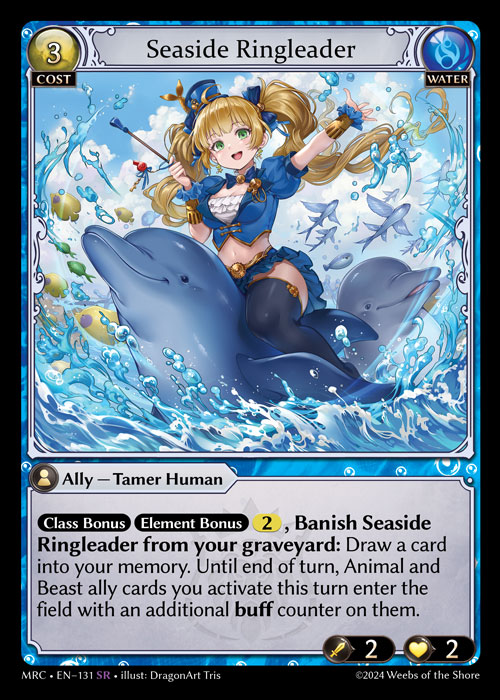
To make the deck work, you usually want 21–24 floating memory, although that can vary a bit depending on the meta and your strategy. For example, if you want to rely more on Strategem, you'll want to run more float. Meanwhile, you can decrease the count if you run other cards that function like a float without actually being one, like Liminal Guide. The non-negotiable cards above include 8 floating memory (Fracturize and Bovine) so you'll need to fill out 13–16 more slots with floating memory. Note that, while Seaside Ringleader is also sort of a pseudo-float, the numbers here are assuming you already have 4 of those which aren't counted in the total.
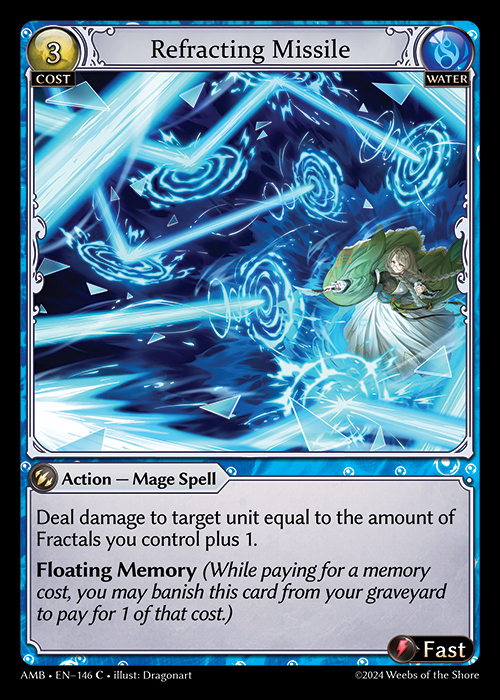
Here are some typical floating memory picks, organized roughly in order of popularity:

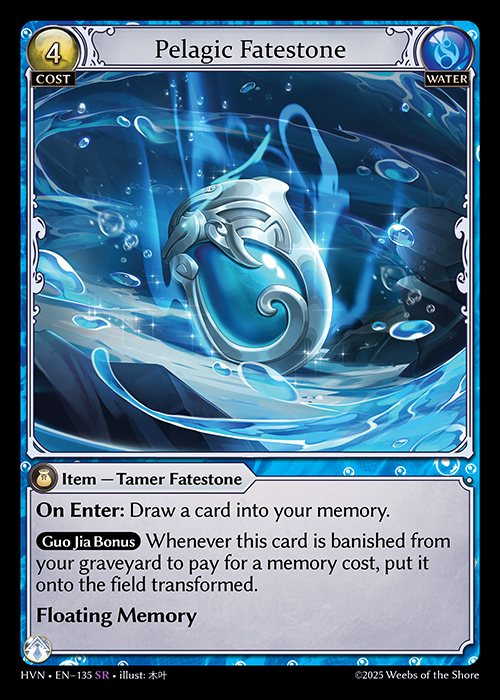
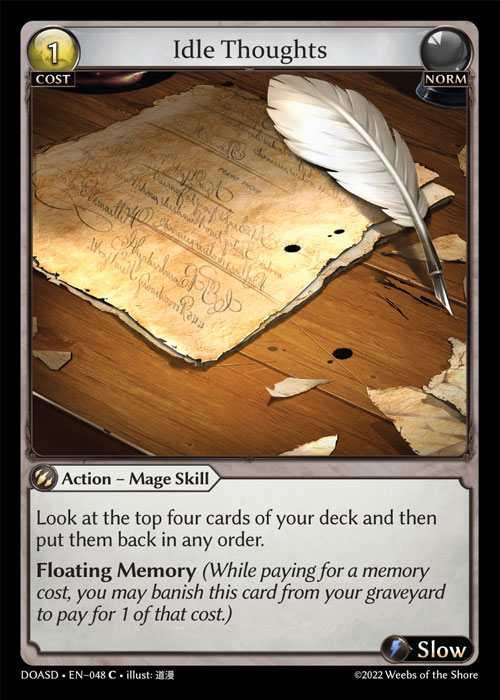
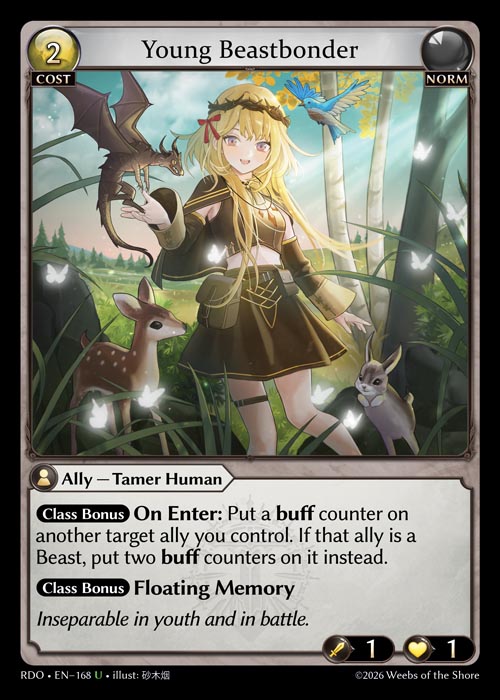
Negates
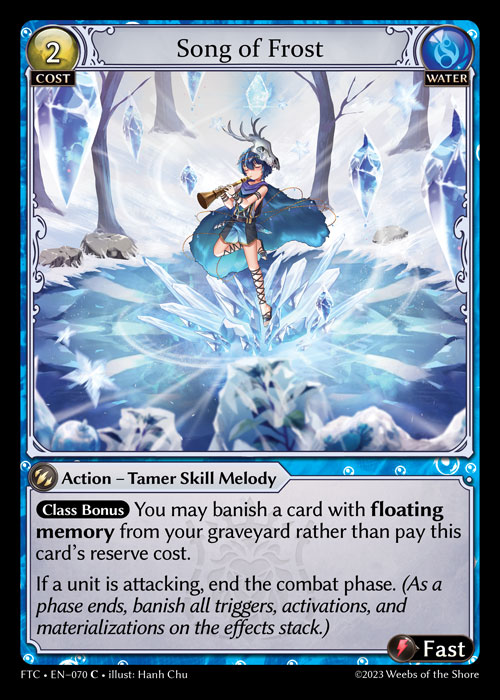
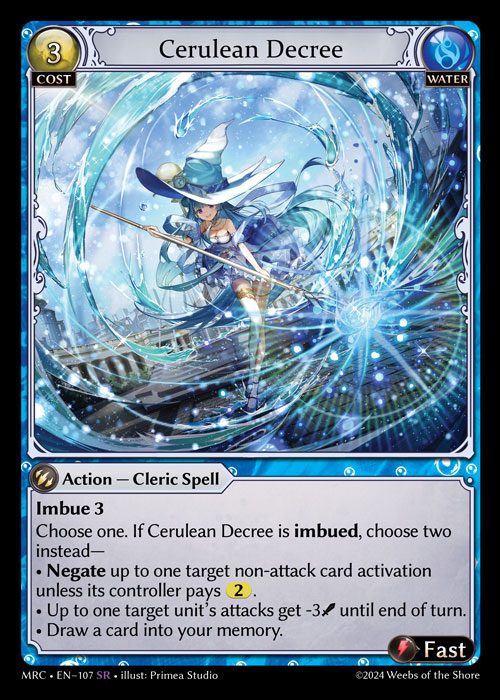
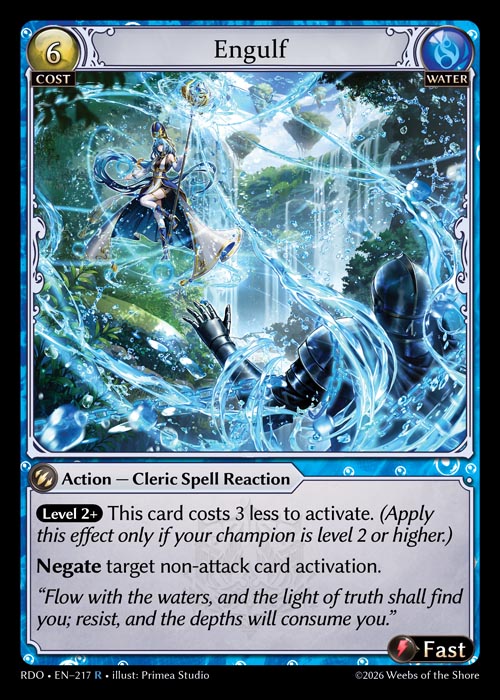
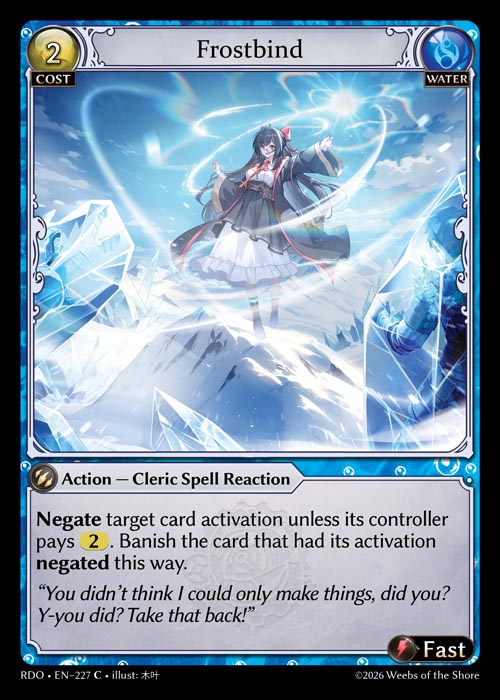
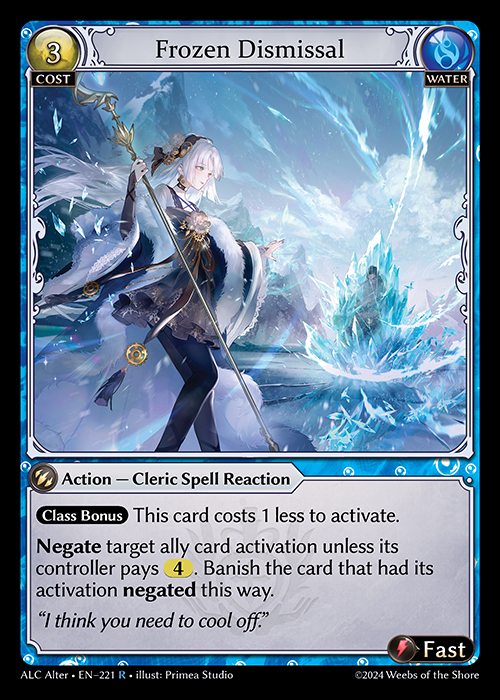
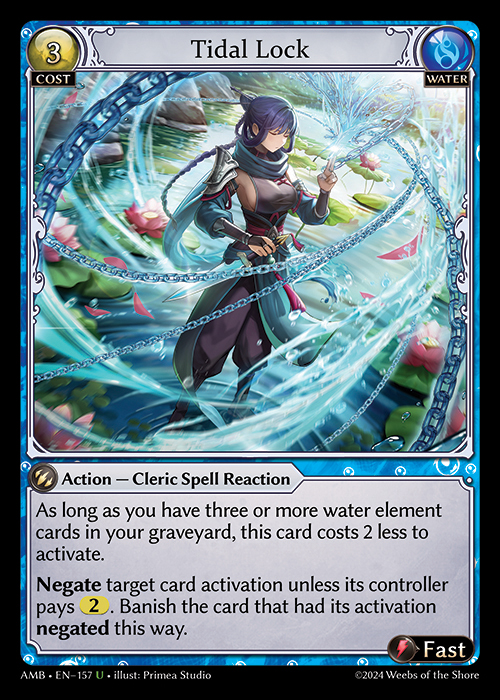
Negates are a key part of the deck's gameplan, both because they keep you in the game long enough for your self-milling to accrue value and as a way to counter interaction when you go for lethal. I'll include Song of Frost in this category too, because although it isn't technically a negate it functions a lot like one: you can even use Song of Frost offensively to negate effects opponent plays in combat, like if they try to pop Polaris or use Resolute Stand in response to your attack. On defense, the Tamer class bonus alternate cost makes it especially potent in a Genbu deck. You have some flexibility in how many negates you run, but I like about 10–11 total, consisting of 8 "true" negates and 2 or 3 Song of Frost. And of course, picking which negates in what quantities is a matter of taste and local meta, but the following are the typical options:
Flex Slots
Let's say you go with:
- 7 × 4 (28-card) core
- 2 Strategem of Myriad Ice
- 3 Mustang/Excalibur
- 14 additional floating memory
- 8 negates plus 3 Song of Frost
That leaves only 5 flex spots to fit things like:
- Other defensive cards like Revitalizing Cleanse
- Additional mill engine cards like Conniving Plans
- More of any of the major categories above
- Other miscellaneous tech (glimpse options, targeted removal, etc.)
Here are some flex options:
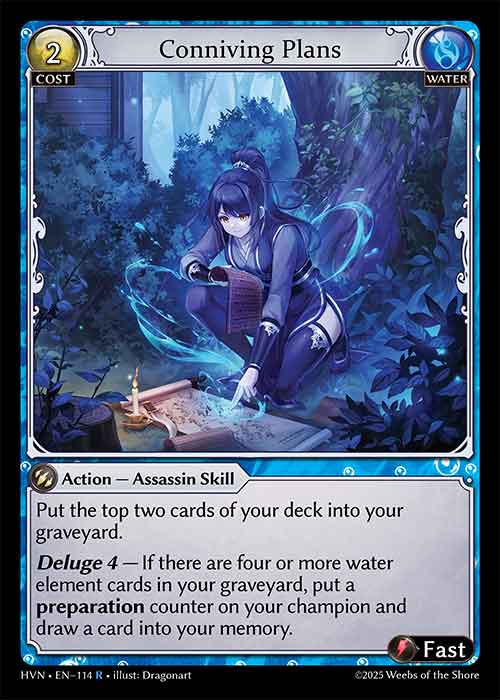
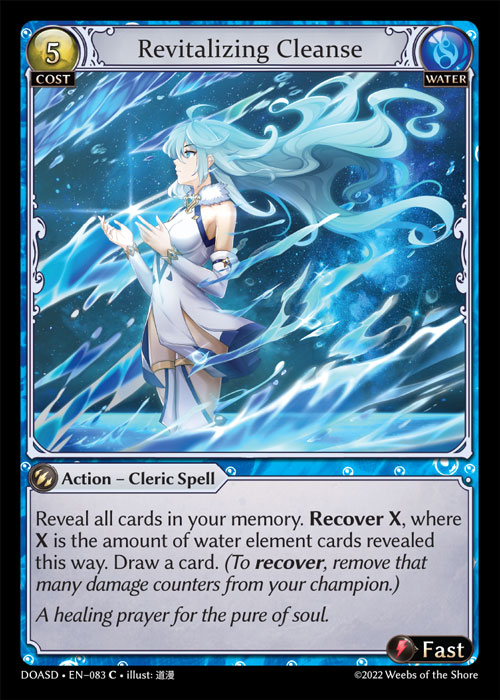
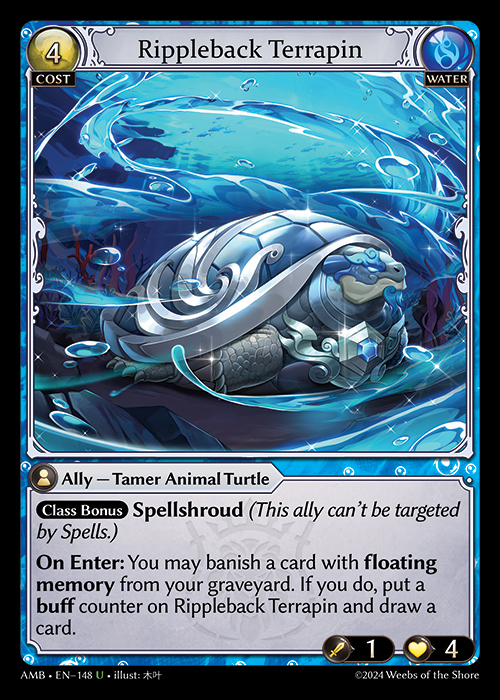
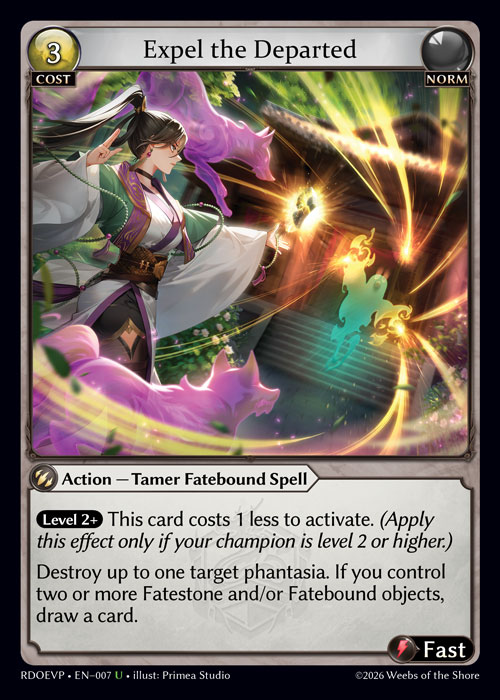
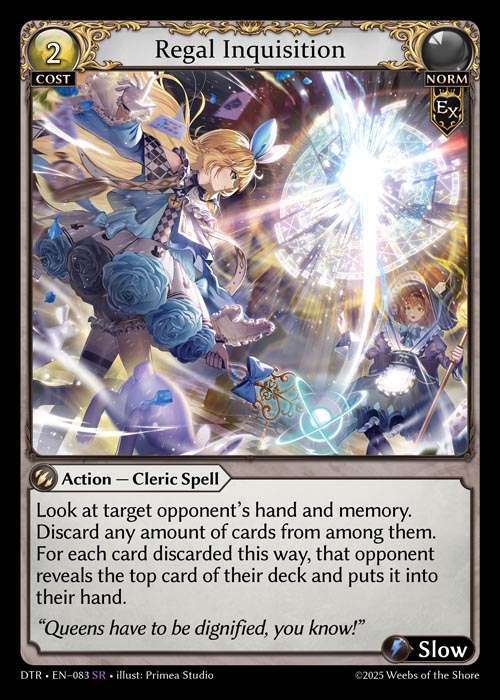
Conniving Plans is very standard but as for the rest, this is really the spot to flex your creativity and build for your expected meta. Do you pre-board silver bullets like Blanche and Staggering Strike? Go heavier on Strategem and floating memory to scam wins from unsuspecting opponents? Lean into control with more negates, or throw in more allies to dominate the board? I personally don't like running additional cards that are weak to Nullifying Lantern (like Liquidation, Avatar of Genbu, Aqueous Stallion, or Carpsong Coda back when it was legal), because it means you have more dead cards in the situations where you're already struggling. But don't let that stop you from trying stuff. Maybe you've got some other ideas—the world is your oyster.
Sideboard
The sideboard is, as always, entirely meta-dependent and mostly about what you're playing against, so I won't get too specific here, but one bit of caution I'll add is to be wary of sideboarding in too many Norm cards at a time in and destroying your deck's consistency. The other thing I'll say is, historically, Fractals was Genbu's worst matchup so many sideboards are tailored for that in particular, which may not be representative of the current metagame.
Openers
Preferred:
- Fractal of Rain is the core of your value engine so your best option on turn 1 is typically to imbue Fractal of Rain; if you have a second one, go for that too. Even if it means being unable to interact much and having to risk important cards in memory, the upside of having two imbued Fractals from turn 1 is too much to ignore.
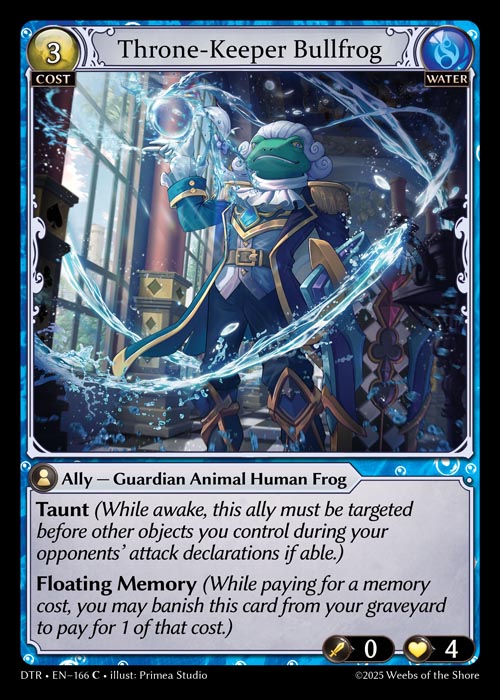
- If you're going second, you can consider playing and attacking with Tidestone Bovine, but you might want to think twice about doing that if your opponent can easily clear it. The cow can provide incredible value if it lives across multiple turns, so it's much better if you can set up a Throne-Keeper Bullfrog or hold Cerulean Decree to protect it. You'll have to weigh the odds of your opponent clearing it with the value of your other options.
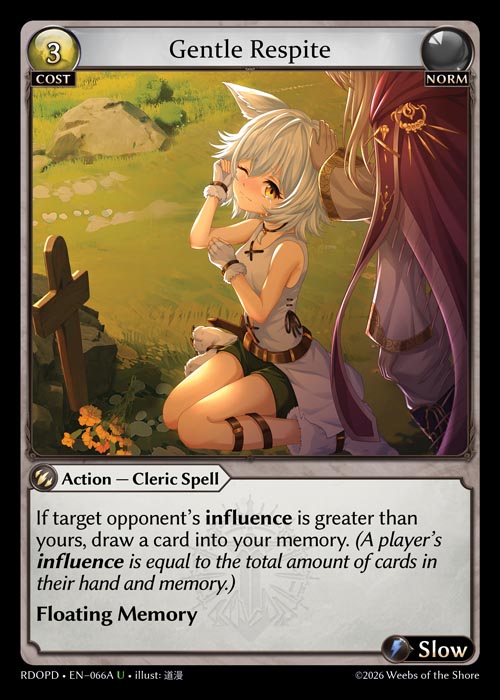
- If you run Gentle Respite, that is of course also a great opener going first. Gentle Respite can work going 2nd if you can establish a Fractal (Rain or Polar Depths) first.
In any of these cases, your first materialize will generally be level 1 so you can start collecting quest counters, since those are basically the clock for your first win con.
Acceptable:
- It's perfectly cromulent to establish a Fractal of Polar Depths or Seaside Ringleader and pass while holding 3–4 cards, and thus threatening a negate. But be very sparing about actually playing the negate. If you didn't establish a mill card like a Fractal or Bovine on turn 1, you might want to use your first materialize to bring out a draw regalia to dig for one, and playing a negate early can decrease your influence while making it harder to pay for a Backup Charger style effect.
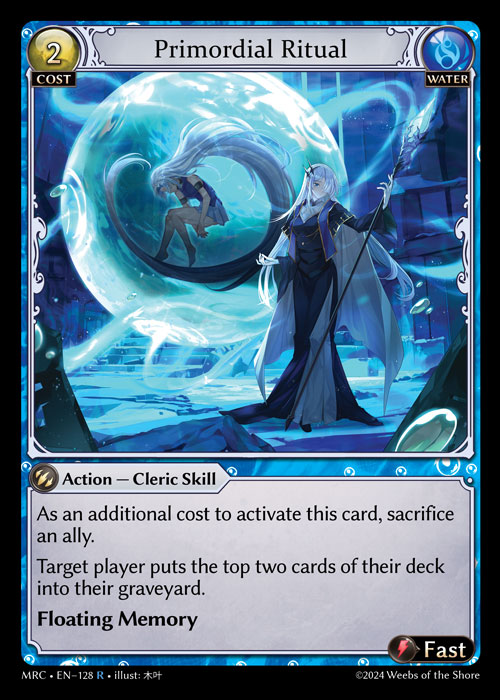
- Other acceptable turn 1 plays include playing a low-value ally like Throne-Keeper Bullfrog, even against decks that only do light amounts of combat damage, if it means you're set up to protect a more valuble ally in the following turn. Avoid opening with a Bullfrog against a no-ally deck like Wind Astra Arisanna unless you've got a Primordial Ritual you can sacrifice it to. The timing of when you should play the Ritual will depend on what you're up against and how you feel about paying with one of the cards you put into memory. If you don't mind banishing one of them, you can save the Ritual for pre-rec after you level, so you get a quest counter for milling; then, ideally, you can use the floating memory to buff a Frostsworn Paladin. However, this does mean you're at least temporarily very low on influence.
- If your list runs Liminal Guide or even Moontide Illusionist, you can also play one of those with the expectation of sacrificing it the same way. As a baseline, it's not plus to play a Liminal and sacrifice it—you go initially minus 2 influence between playing it and playing the Ritual, then break even when you use the Primordial to pay for your level 1 and have the Liminal draw you a card back. It's still decent value to get a body onto the board while milling two cards, and you could even mill some float and go plus after all!
- Beyond that, it's OK to just pass into playing a floating memory card like Refracting Missile or Spalling Cleanse in your opponent's end step, so you can use that to level. (Make sure the cards you put into memory are your lowest-value ones, just in case your opponent can banish your floating memory at fast speed, with a card like Embercrypt Burn, Protector Raccoon, or Dredging Streams; even if they banish your float, you'll still probably want to level up.)
Emergency:
Other than certain matchup-specific options, you don't have a lot of other turn 1 plays that are better than just passing the turn.
- If you can wait and negate something, or use imbued Cerulean to minus-3 an attack and draw into memory, that's manageable.
- Otherwise, just hold cards and materialize something to try and un-brick, like Grand Crusader's Ring, Quicksilver Grail with something you might want later (like Smoke Bombs or Enfeebling Orb), or Backup Charger.
- If you have excess Fracturizes, Backup Charger into pre-rec Fracturizing the powercell is pretty solid, but be wary about using your only Fracturize as a value play in matchups where you need it as interaction. If you don't run BUC but you have another regalia that's useless in the matchup, you can even consider materializing and Fracturizing that.
Materialization Order
Your most common materialization order will be:
- Turn 2: Guo Jia level 1. You typically want to start collecting quest counters right away, and enable important class bonuses on cards like Tidestone Bovine, Seaside Ringleader, or Fractal of Polar Depths.
- Turn 3: Portentous Tanggu. The combination of quest counters and card draw are important to maintaining momentum and setting you up with the best option for your next plays.
- Turn 4: Flex regalia, depending on matchup and board state. GCR or Smoke Bombs would be typical here, but in some matchups like Fractals you'll need a defensive regalia instead.
- Turn 5: Guo Jia level 2, often taking the quest counters to burst towards flipping Genbu. You might want the card draw if you already have plenty of quest counters, or if you're not pressuring the win this turn (since if you're waiting a turn, you'll often get the 2 more you need anyway)
- Turn 6: Flex regalia, but often Enfeebling Orb or Smoke Bombs, so you can go for the win.
Some exceptions:
- Sometimes your first materialize can be a card draw regalia, especially if you didn't get a preferred opener. If the matchup is shaping up to be one where you need to fight for board, like a Water mirror where keeping your Frostsworn Paladin alive is going to be paramount, Smoke Bombs (preferably under Grail) can be the right pick. Occasionally, you might want to get Enfeebling Orb or Tariff Ring early so you can parlay that taxing effect into a commanding board position.
- If you got quest counters quickly and your opponent is open, you can accelerate your kill turn by materializing Guo Jia level 2 early. But you usually prefer to wait until you can pay for the level-up with floating memory.
- Against the most aggressive combat decks like Fire Aggro, Water Diana, or Wind Wakeup, you should go straight for level-ups as much as possible. You don't want to burn all your influence on it, but hard leveling to 2 or even 3 (taking quest counters along the way) can help turbo out your Genbu, which is invaluable for walling off combat strategies.
- If you milled more floating memory than average and you have a Strategem of Myriad Ice, you may want to make more 0-cost regalia so you can accumulate a lethal amount of floating memory.
General Piloting Notes
Whenever possible, hold at least 4 cards up on the opponent's turn, plus more if you expect Viridian Protective Trinket or Quickstep Treads, so you can at least bluff an imbued Cerulean Decree. Negating an important card with Cerulean is devastating enough that good players will generally play around the mere threat of it, which buys you more time for your self-mill engine to accrue value.
It's almost always better to mill yourself than your opponent with Fractal of Rain and Tidestone Bovine, but there are some exceptions:
- If you already have enough to mill yourself out with Polar Depths but a lot of your cards have already been banished (due to e.g. Palvor Sword) you can mill your opponent for reach.
- If your opponent glimpses multiple cards to the top, you can mill them extra to grief them / mess up their planning.
- In the Luxem matchup, you can gamble that you'll mill your opponent's key win-con cards, which may occasionally be more useful than milling yourself more. I wouldn't do this until after they've used their Zander Lv2 On Enter ability at least.
Don't underestimate Fractal of Polar Depths' utility outside of the mill win-con. It's surprisingly relevant for enabling all four win cons (yes, even ally beatdown, because those Paladins need to eat and the float has to come from somewhere). Sometimes just milling yourself for 6–8 cards in the midgame is the boost of momentum you need to secure the game.
Don't always use your Seaside Ringleader effects from graveyard at the first opportunity. Frequently you should just use them to refill your influence even without an ally to buff, but they're way better if you can line them up with a turn you were going to play an animal anyway, and that value compounds if you use more than one at a time. It also helps to have more water cards in your graveyard for other effects like Polar Depths.
It can be tempting to use Fracturize on your own powercell or something to go positive, but Fracturize is such a potent interaction card you may find yourself wishing you'd saved it later in the same game.
The Nullifying Lantern Minigame
Nullifying Lantern is the deck's biggest nemesis, so you'll need a gameplan for how to deal with it; otherwise, Genbu's +health activated ability is effectively blank and Fractal of Polar Depths is a no-op, shutting down two of your most explosive plays. Nullifying Lantern is annoying enough to deal with as a water deck that, frequently, you're better off sacrificing your Polar Depths in response to its materialization. (As long as you mill at least 2 float and/or pseudo-float, you come out ahead compared with leaving the Polar Depths as a fractal.)
Since layers™ mean that Fracturize won't stop the Lantern's effect, you usually have to find your Unbroken Mustang or Excalibur to remove it. Against wind decks, be on the lookout for Stifling Trap; if you have Primordial Ritual, you can use that to dodge the Stifling Trap by sacrificing the Mustang in response. Wind decks can also potentially suppress their Lantern with Zephyr or Aella, so you might need to wait for them to go cards-down, or hold a negate. Against water decks, expect them to Fracturize their own Lantern since that's effectively a plus play for them while also rendering your horses irrelevant. When you sideboard in your Expel the Departeds or other phantasia hate, you even get to play a fun mind game about whether you side out your Mustangs entirely, depending on if you think your opponent is disciplined enough to wait and only Fracturize their Lantern reactively. If your card draws are awkward enough, you might even Fracturize your opponent's Lantern yourself just so that you can blow it up with Expel the Departed.
If you're unable to remove the Lantern, you're significantly handicapped but not out. Your penguin mill win con is entirely offline, but you can still swing for 9 with Resonating Fugue, which might be enough if your other allies have gotten some damage in too. You can play the board and threaten a kill with allies and/or Strategem, or keep digging for your answer to the Lantern.
Going for the Win
As with many Grand Archive decks, going for the win involves committing hard, and if you come up short you'll often find that you're overextended or out of gas, and lose the game thereafter. So not only will you need to make sure you have enough cards (both total influence and cards in grave) to threaten lethal, but you'll need to consider what interaction your opponent might play to ruin your plan, and think about what you can do to compensate for it. This is, of course, very matchup specific at times, but certain common points apply across all of them.
Generally, you should not transform your Fabled Sapphire Fatestone prematurely. It's more protected against removal that way, and you would rather continue accumulating value from the mill effect which goes away after it becomes Genbu. Situations in which you'd transform, aside from when you're going for the win, include when you really need Genbu to play defense or you want to get a free Guo Jia level 3 materialization. You can bring out Genbu a little earlier if you really want to stop milling your opponent or in cases where you really need to attack for 3 more damage.
The most conventional way of securing a win is by holding a negate to stop the opponent's answer, which of course means you need to maintain high enough influence to go for the win and play your negate. Enfeebling Orb is a huge help if you had the time or foresight to materialize it; it can force an opponent to go cards down or at least low enough that they can't pay when you negate their interaction. A less obvious way to do something similar is to play a negate on the opponent's turn: even if they can pay for your Frozen Dismissal, that leaves them with one or maybe even two fewer card plays they can use to stop you this turn cycle.
Engulf is currently the best option for outright negating a card activation that would save your opponent's life, followed by double Tidal Lock (assuming you have enough water cards in grave to get the discount); sometimes even one Cerulean Decree or Frostbind can be enough, especially when used in combination with Enfeebling Orb. In the sections below, I won't restate it every time, but you can assume that negating any card effect is usually your best, most versatile option for pushing through the win.
Unlike an aggro deck, Genbu is usually stable enough that you don't have to "make them have it" meaning to send your kill combo directly into likely interaction. There are times where you'll be doomed if you wait, but usually you're better off waiting to line up enough counter-interaction to secure victory later rather than taking a chance on the first possible kill opportunity. In extreme cases, you can even line up a second kill con such that you can force your opponent to interact with the one and then still have enough cards to send the other one too. For example, with 7 cards in hand you can pay for the Fugue combo in pre-rec and if your opponent blocks that, you still have enough cards to play Strategem in the main phase. Recognizing when you should go for it or hold off is a key "game sense" skill that's best built up from lots of practice.
Going for the Fugue Combo
The first requirement for the fugue combo is, of course, that you can flip Genbu, for which you need 9 quest counters, but it's common to burst like 5 quest counters in one turn by going Lv2 (2 quest counters), regular mills for turn (2 if you have a single Fractal of Rain), and one more fast-speed mill like Primordial Ritual, Conniving Plans, or sacrificing a Fractal of Polar Depths. If your opponent hasn't faced Genbu before, you might just be able to steal a win before they know it.
Actually playing the combo requires 6 influence, which can be split 3 pre-rec and 3 main phase if necessary; you'll want to get used to counting your cards correctly to confirm that you can go for this while holding more cards for interaction. Your fractals count as pseudo-influence for this purpose, but remember that if you're playing cards pre-rec, cards you put into memory will refresh for your main phase, but cards you play from hand and fractals you rest won't. Resonating Fugue and the Genbu ability can be resolved in either order, and which order is ideal varies by what interaction you're concerned about. If you play the Fugue first, you can get 1 more water card in the graveyard. If you're paying in pre-rec and you already have enough water cards in the grave, it's better to use the Genbu ability since you don't spend any influence before you recollect—potentially letting you see what you draw before committing to anything else.
Of course, don't forget to clear any Taunt/Intercept allies out of the way before you go for it. Smoke Bombs of course shines at that, and your own allies can be pretty helpful here too; if you run Snow Fairy, you can potentially hold her to shut down a blocker as well.
When deciding to go for the swing, answers to look out for include:
- Any way to end the combat prematurely (like Song of Frost or Tactical Retreat) or redirect it (like Tristan, Shadowdancer or Rose, Eternal Paragon). Counters:
- Not much other than negating the card, although pay attention to how much influence your opponent needs for this. Tamer decks like other Genbus can play Song of Frost with just one card in hand if they spend a floating memory on the alt-cost; Kongming can play Ceasing Edict for free if the winds are facing South.
- For Tristan, you usually need to pressure her preparation counters before it gets to this point, but you can try to run them out by swinging with allies repeatedly.
- Fast damage that doesn't target, like Spirit Blade: Ascension for Prismatic Edge revealing fire; Polaris, Twinkling Cauldron; or Baleful Oblation. It doesn't take much, since Genbu's health is only 3 after the Fugue swap. Counters:
- Use Blanche to prevent noncombat damage.
- Fracturize relevant regalia in advance; for example, they can't Ascension without a Sword regalia to use for its cost.
- Put buffs on Genbu with a card like Young Beastbonder.
- Fast ways to remove your water cards in the grave; there are a lot of these now, including Spirit Blade: Ascension for Palvor Sword, Nullifying Lantern under Quicksilver Grail, Psychopomp's Gale, and Purifying Thurible. If your damage is exact or close, look out for Topsy Decree or Protector Raccoon as well. Counters:
- Resolve Genbu's ability first to test the waters.
- Use Fracturize to force your opponent to pop Grail or Thurible in advance.
- Or, just have so many water cards in grave that they can't remove them all.
- Shields that block a single hit, like Crystallized Destiny or any Spellshield. Counters:
- Use Refracting Missiles to pop the shield after it resolves but before combat damage.
- Non-spell ways to remove Genbu from the field, like Ensnaring Fumes, Displace on Dream Fairy, Extortion Scheme, or Flamewreath Call. Counters:
- Level to 3 so you can use Guo Jia 2's lineage release to block targeting
- Ensnaring Fumes is especially difficult here since it doesn't target, and Wind Assassins' alt-cost means they can likely pay for your negate or hold up Incapacitate to counter-counter. In this case, Regal Inquisition (backed by Engulf) is a great option to have.
- Healing or limited damage prevention, like flower herbs (Fraysia/Silvershine), Spalling Cleanse, Serene Spirits, or Deflecting Edge. Counters:
- Just do more damage than they can heal off/prevent.
- If you hit for their max life in one hit, heals don't help.
- Innervate Agility, to gain stealth. Counters:
- Don't do enough damage for them to be allowed to Innervate. (For example, do 4 damage with allies first, then Fugue combo for 21+.)
- Or, run Peer Beyond.
Going for the Strategem Kill
The main requirement for a Strategem of Myriad Ice kill is, of course, floating memory in grave. You also need to have the Strategem in hand, which is far from guaranteed if you're on just 2 copies, so between that and its weakness to interaction, I tend to prioritize this win condition less unless things happen to line up just right. Still, it's a powerful threat to have in your arsenal and making opponents play around it is helpful to your gamepan too. A lot of opponents will disrespect this and you can "scam" a surprising number of wins from them.
Actually sending the Strategem requires 7 influence paid all at once, plus some number of float—keep your multiples of 3 in mind for calculating the potential damage. If you have a Fractal of Polar Depths, you can use it to pay for the Strategem and then, holding opportunity, sacrifice it to mill yourself more before the Strategem resolves. A lot of times you'd rather know for sure that you have enough float for lethal first, but I've had a surprising amount of success taking an calculated risk of getting enough this way. If you run 24 floating memory, that's exactly 40% of your deck, so for example if you mill 10 cards you can expect about 4 of them to be float. (If you can, you should hedge your estimates based on how many of the cards you've already seen are floating memory or not.) If you're on the boundary line, you may want to avoid paying floating memory for your materializations, instead preferring to pay from memory so you can keep your floating count threateningly high, as long as you still have enough influence to resolve the Strategem.
The Strategem kill is highly weak to interaction. Any of the following answers can doom it:
- Each-instance damage prevention, like Blanche, Sheltering Saint; Safeguard Amulet; Veiling/Calming Breeze; Clarent, Reimagined; or Flash Grenade. Counters:
- Fracturize Safeguard or Flash Grenade on a previous turn.
- Kill Blanche with Refracting Missiles. Or, if she's already on the field when Strategem resolves, hit her with one of the Strategem triggers. Unlike some other cases, Strategem hits are separate reflexive triggers, so Blanche will die before the remaining triggers resolve.
- Clarent is resistant enough that you should probably give up on Strategem the moment it comes out—unless you happen to draw 3 Fracturize, in which case you can take the line that won me a game at NorCal Regionals: attempt to Frac Clarent, respond to Clarent's ability with second Frac, respond to second use of Clarent with third Frac, then go to my turn and send the Strategem.
- Veiling Breeze can be answered with Nullifying Mirror but Calming Breeze can't, so the Mirror may or may not be worthwhile depending on which one you expect more.
- Fast removal of graveyard cards, especially targeted removal like Topsy Decree or mass removal with Psychopomp's Gale or Purifying Thurible. Counters:
- Have much more floating memory than they can remove.
- Against Crux decks, Fracturize their swords in advance so they can't play Spirit Blade: Ascension for Palvor Sword.
- Spellshroud effects like Topsy Decree or Coronation Ceremony. Counters:
- There isn't much you can do besides negate the card.
In general, since Strategem is very costly to use, you can only risk it if your opponent overextends or the conditions line up fairly early in the game. And yet, it still accounts for a substantial number of wins.
Going for the Penguin Mill-Out
There are two variants on this win. In one, you eventually mill yourself to the point where you have enough water cards in your graveyard that the last penguin mills the remainder of the opponent's deck. In the second one, you materialize Tabula of Salvage, mill yourself out completely, then banish the Tabula to stack your deck before you draw, typically with more penguins and whatever other interaction you need to secure the win. You can use milled Seaside Ringleaders in pre-rec to help you draw more than one of the 5 cards you stacked. When sacrificing multiple Fractals of Polar Depths, you typically want to hold opportunity and sacrifice all of them to maximize the amount that you mill even though this means you have to declare your targets without knowing exactly how many cards you'll mill because of non-water cards in your list. Also, for several reasons, you should generally wait until your opponent's Recollection phase to sacrifice the penguins and complete the mill-out.
This is the win con that works the best in the long game, since it's not super interactible and opponents will actively make your job easier by drawing out their deck, provided your opponent can't keep a Nullifying Lantern on the table. Especially against wind assassins who can shut down Genbu with alt-cost Ensnaring Fumes and shut down Strategem with Calming Breeze, Polar Depths is your best bet for winning the game. You sometimes want to establish a Fractal of Polar Depths early, since it's a card-neutral play and relatively expensive, but when you're focusing on the win con you're more likely to want to hold them all and play them last-minute, in the turn cycle you're going for the win, since you want to give your opponent as small of a window as possible for blowing them up with cards like Scatter Essence.
But, be on the lookout for the following answers:
- Fast ways to remove water cards from your graveyard. Counters:
- Same as with Fugue, as described in that section.
- Tabula of Salvage or Chime of Endless Dreams. Counters:
- Play the Polar Depths but don't sacrifice them right away. If the opponent materializes one of these, Fracturize it first, then after that's done, use the penguins to mill them out. When asking "cards in deck?" keep in mind that, since they can use Tabula in response to Frac, you might need to mill 5 cards more than the initial total.
- Three Visits, played from banish (so it goes to the "bottom" of their empty deck). Counters:
- Even if you negate the card it'll still change zones. If your opponent doesn't have any Three Visits in banish already, waiting for their turn before milling them out prevents them from sending one of the copies they milled to banish and then to top of deck, since they need to wake up to use it again.
- If you have enough Polar Depths, you can keep one more up to mill them out again after they use it.
- Otherwise, you have to prepare to survive their "one last turn".
- Resolute Stand paid with alternate cost (so they don't draw). Counters:
- Even if you negate the card, the cost of skipping the draw is already paid, so usually this means you need to prepare enough defenses to live out one more turn.
- Regal Inquisition can't stop them from using Resolute, but it can make surviving a lot easier by emptying your opponent's hand after you've already emptied their deck.
- Fast effects to make you draw a card, like Bauble of Abundance or Vermilion Decree, or mill 5+ cards after you re-stack the deck (Delusional Vapors). Counters:
- Fracturize the Bauble first.
- Don't mill yourself out if it's not safe.
The Ally Beatdown Win-Con
Beating up your opponent with allies—Frostsworn Paladins and Seaside Ringleaders, primarily—is usually more of a last resort or a form of footsies rather than a main win con. But, sometimes you get nice draws, your opponent cedes control of the board, and you have multiple 3/4s going face very turn. It's pretty alright.
Matchups and Answers
Like many decks in Grand Archive, Genbu is at its strongest when people don't expect it, and drops off rapidly in effectiveness when people are prepared for it. The deck has maintained a pretty impressive win rate of nearly or around 55% for most of its year or so as part of the Standard competitive scene, but has never quite been a consensus best deck in format. There was a brief moment leading up to the Gauntlet for Worlds 2025 when it seemed like it might be the villain of the format, which was unceremoniously dispelled when the players from Maindeck and True Champion all suddenly pivoted back to Fractals and took the World Championship standings by storm. In RDO season, I think the deck is still strong enough to be a tier 1 competitor but only as long as there is a bigger villain to draw people's attention and occupy their sideboard slots. (Aside: I would argue that the difference between a "tier 1" and "tier 0" deck is how much success it sees when the entire meta is already teched against it.)
As a Genbu player, the worst thing that can happen to you is Brackish Lutist; if an opponent drops one of those turn 1 and is able to hold interaction to help protect it, you are probably boned. Thankfully, that card is weirdly underutilized. But the fact that it frequently denies you quest counters in addition to everything else is brutal. Aside from the Nullifying Lantern as discussed at length already, there are some other really strong counterplay options available in the current meta that you can hope your opponents don't bring to the table. Sasha, Purifying Acolyte completely shuts down all three of your best win cons, but at least you probably have a turn before she fosters and you can potentially stop that from happening by tickling her with cows. Palvor Sword is ubiquitous and hard to answer (basically only your Excalibur does it), so if your opponent materializes it you just have to accept that they've reset your work filling up your grave; thankfully, Genbu's mill engine is strong enough that often enough you can still rebuild and get there. Psychopomp's Gale comes out a little later, but the fact that it doesn't have a built-in undo button and it can be used at fast speed means it's frequently the last nail in the coffin of your hopes; you can at least hope to negate it with Engulf but… good luck holding that at the ready nonstop from the moment your opponent hits level 3.
Still, most matchups are winnable if you play smart and adapt your pace and win con based on what your opponent does/has. In other words, you must ask yourself the age-old question…
Who's the Beatdown?
I say Genbu is a midrange deck, but it leans towards the control end of the spectrum, with a lot of negates and defensive tools. Still, it doesn't have quite as much inevitability as a "true" control deck, and also doesn't have to do as much setup to get its win con online. This does mean that correctly identifying when to be aggressive or defensive is a little nuanced. If you're the aggressor, you'll want to play more high-power allies and accumulate quest counters faster, while holding up minimal interaction to maintain your board presence, even strategically going cards-down on early turns sometimes to jump ahead to a faster start. If you're the control deck, you'll want to hold a lot of interaction and try to take favorable trades to make your opponent spend time and resources on not killing you.
Aggro Opponents
Very aggro decks (including Fire Aggro, Wind Wakeup, and Water Aetherwing) are probably your worst matchups. You generally need to find Frostsworn Paladin or Throne-Keeper Bullfrog and use them to defend while you turbo level, taking quest counters as necessary. Once you get your big turtle up and blocking for you then you can finally start pushing your advantage towards a win. That said, aggro decks typically don't have a lot of HP or interaction so sometimes you mill several float and can burst out an early Strategem of Myriad Ice kill instead of having to play defense.
Against Fire Aggro and Water Aetherwing you want to flip Genbu as soon as possible not only because you want a big blocker but also because you want it to stop milling them fuel.
Against Water Aetherwing, try to deny Diana's on-hit glimpse, especially on the early turns. You can do this with Cerluean Decree (minus-3 attack mode), Song of Frost, or sacrificing a taunter with Primordial Ritual. Then if you can find an Unbroken Mustang and break the Aquamirage Whisper entirely, you're in a much better spot.
Against Wakeup, keep an eye open for Fracturize targets. Always hit an early Draught of Stamina. If they're foolish enough not to use Ranger Strides the turn they materialized it, Fracturize those too. If you can get two fractals of your own into play, Refracting Missiles becomes huge because so many of their key allies have 3 health.
Fracturize on Inert Sword is also great since it makes Cheshire Cat a lot less threatening and likely saves you some damage from the sword itself too. Against Fire Aggro decks, a lot of times it's worthwhile to Fracturize their weapons in pre-rec so they can't Blazing Throw them at you, but it's even more important to frac Poisoned Dagger before it wakes up.
There's a neat trick you can do with Smoke Bombs and Frostsworn Paladin where you declare retaliation, then Smoke Bombs the Paladin so it's no longer defending but the retaliation damage still goes through; that can be backbreaking in these matchups.
Suzaku decks in particular can feel very coinflippy, though. Sometimes you just don't draw the tools you need to survive against their multi-pronged onslaught. Honestly, if someone can give me tips for navigating that matchup, I'd welcome them.
Shadowstrike and Wind Luxem
These decks are both similarly midrange combo decks with a lot of silver bullets that make your life difficult. Song of Frost is invaluable for stopping Slice and Dice, Shadowstrike, or Striking Illuminance, so save a floating memory to pay for its alt-cost and hold up even more cards so you can play something else in case they try to Incap it.
Since Veiling/Calming Breeze is so good into Strategem and Ensnaring Fumes is so good into both the Genbu and allies gameplans, you're more reliant on the penguin mill win con in these games. You can and should try to fight smartly for board, but sometimes that means leaving your allies awake to retaliate against Sadi, Blood Harvester. They can't have her both kill your ally and escape retaliation damage.
Against any Luxem deck, Nullifying Mirror is nice to have because you don't want Zander's trigger to make you put your interaction down into memory; if you don't have it, you have to guess how many Luxem cards they'll reveal and hold that many extra for defense.
Against Tristan, you have to keep their preparation counters low if at all possible. Don't be greedy with Staggering Strike and try to get all three; removing two prep with it is plenty, since they could use a combination of Sadi and Surveil the Winds to go from 2 to the magical number 4 in response to Tristan, Hired Blade's On Enter. Also, Mastermind Scheme is usually worth a negate if you have one.
Razorgale
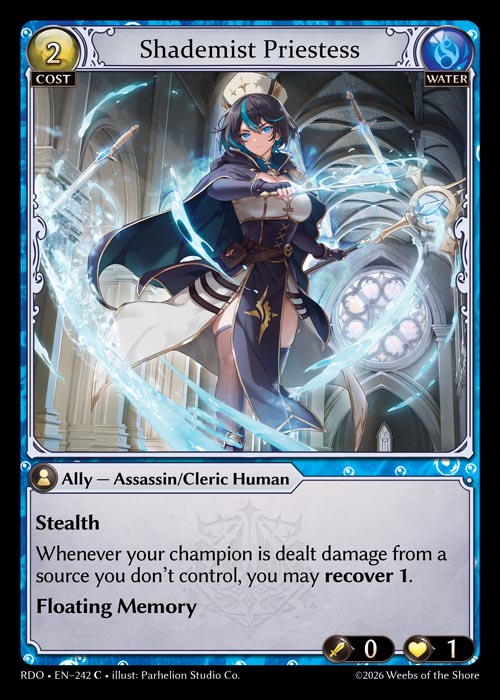
Shademist Priestess is great in this matchup, especially if you can find more than one, since a lot of times their only out for it is Dream Fairy. Having a Refracting Missile to remove the Dream Fairy helps but you can use 2 Bolt of Diamonds (from Diamond Ribbon) in a pinch.
Assuming they're on the more common Arisanna / Essence Crucible build, you need to find and hold a Fracturize to use against the Crucible. A lot of those lists have at most one Obscured Offering to defend it, and it might even be in the sideboard, so you usually don't even need to hold more than that.
If you have a Safeguard Amulet, the best timing to use it is usually when they sacrifice their Speed Potions, before they get Agility.
I have somehow managed to dodge the raccoon build, so I don't have more advice for this, but I'm sure it's annoying.
Other Midrange Decks
You're often the more controlling deck between the two, but that can depend on your opener. If you find the right allies, you can take the initiative.
Oblation gets tough to stop in the late game since Feu stops you from negating their kill spell. You can really slow down their Cremation engine with well-placed negates, and having an Engulf or a Frozen Dismissal for their Dungeon Guide buys you a much-needed turn. Don't hesitate to Fracturize their Manxome Armoire proactively, since some of their best combo lines depend on using it at the right time.
Against any Tera deck but especially Slimes you should expect Covenant under Grail and save a Fracturize to answer it.
Against any Crux deck that runs Spirit Blade: Ascension, try to Fracturize their swords before they go to level 3, because after they get to advanced element you have to worry about them using Ascension to save a weapon in response to Fracturize.
Control Decks
Wind Astra Arisanna, Fire Crux Merlin, Tera Kongming, Serene Luxem Zander, and Umbra Ciel (non-Oblation) all have more inevitability in the very long game, so your goal is usually to apply enough pressure early that they're forced to play suboptimally. If you're successful, you'll force them low enough on influence that you can counter their interaction and secure a win before their eventual efficiency outlasts you. In timed matches, if they do manage to get online and refill their influence after hitting level 3, you may want to scoop early rather than play it out if you've got more games in the set.
Against Arisanna, you absolutely want to Fracturize their Polaris, preferably as early as possible. A lot of Arisanna players will also make the mistake of sacrificing it in response to one of your ally attacks; if they do, you can use Song of Frost to negate the entire effect, saving your board and denying them the effect of generating Cosmic Bolts.
Against other water decks, whoever manages to keep their Frostsworn Paladins alive longer typically has the edge, so you should be more cautious about playing one unless you can defend it with taunts and negates, but you also want to be wary about walking into negates yourself. Smoke Bombs shines in these games, used either defensively or on offense.
Fractals
Historically this has been Genbu's worst matchup, since Fractals is faster at finding lethal but also has a better negate, and their fractal-based kill spells are way bigger than yours. The most important thing is not to let them draw too many cards. Don't let them draw from Acquiescing Rejection except in very rare cases, like if your hand is mostly bricked: it can be worth it to let them draw the cards so you get to keep your only Fractal of Rain. Attempt to negate Zhang Jiao even if they can pay for it, as long as it means they have to put cards into memory so she doesn't draw them cards.
Safeguard Amulet under Quicksilver Grail is the best way to stay alive vs Fractals, although Captivating Opulence makes that awkward. Blanche, Sheltering Saint can be worth playing even if you're doing so at slow speed while you're level 1, since that forces them to find and play another kill spell. Blowing up individual fractals with Expel the Departed isn't often worth it unless it keeps them under a magic number: either sending them back to 2 fractals so ZJ doesn't draw cards, or reducing the fractal count so their kill spell is no longer lethal.
Going wide with allies is also helpful here, especially since most recent Fractals builds don't run Gildas or other allies that are good at controlling the board, which forces them to waste kill spells sending them not at your face.
In general, the matchup is not nearly as hard as it used to be, but as a result most sideboards aren't as teched for it anymore, which is a fun example of how perceptions of the meta end up having kind of a balancing effect on it.
The Mirror Match
The Genbu mirror at first gives the impression of being hugely random, since the advantage swings a lot on who mills which cards. But, after playing some more, I've come to appreciate that it's an intense mind game and standoff, where both sides are trying to poke in for small advantages or feint at one win con while also building towards the other options. In a way, it's the ultimate test of your ability to advance all three win cons simultaneously while calculating whether you have enough of an advantage that you can afford the risk of going for the win.
Since this matchup can often drag on in a standoff, level 3 and Regal Inquisition are more likely to come into play. You probably can't get a Fugue win through your opponent's Genbu—unless you run a card like Snow Fairy (to rest it) or Young Beastbonder (to make your Genbu bigger than theirs), so you have to hope they get impatient and go for it first. Be very careful with Smoke Bombs, since your opponent's level 2 Lineage Release can deny you the card draw too; it might be better used to protect your Frostsworn Paladins.
Oh, and don't forget to add quest counters when your opponent's Fabled Sapphire Fatestone mills you both. You might think that means you should flip Genbu earlier to deny the quest counters, but that's less important than it sounds. You never want to stop milling yourself, because cards in grave are such an important resource in the matchup.
Conclusion
Grand Archive is a wonderfully strategic game, so I can't possibly cover all the many little interactions and schemes that go into playing it at a high level. For those, you'll have to put in the work and experience it yourself. But I hope this kind of writeup gives other people a quick start if they're trying out the deck for a first time. Most importantly, I hope this inspires other people to create guides of their own: if you're a master at another deck, I'd love to hear your tips on how to play it well. Happy gaming!
User Comments
Mushyroom @2026-07-01 01:51:36
More in-depth deck tech with match-up guides please!
I've hopefully fixed the comment system now so y'all can share your thoughts here.
Add your thoughts...